Seattle vs Miami: Rain, Palm Trees, and Two Very Different American Dreams
A comprehensive comparison of Seattle and Miami covering cost of living, lifestyle, food, careers, nightlife, weather, and more to help you decide which city is right for you.
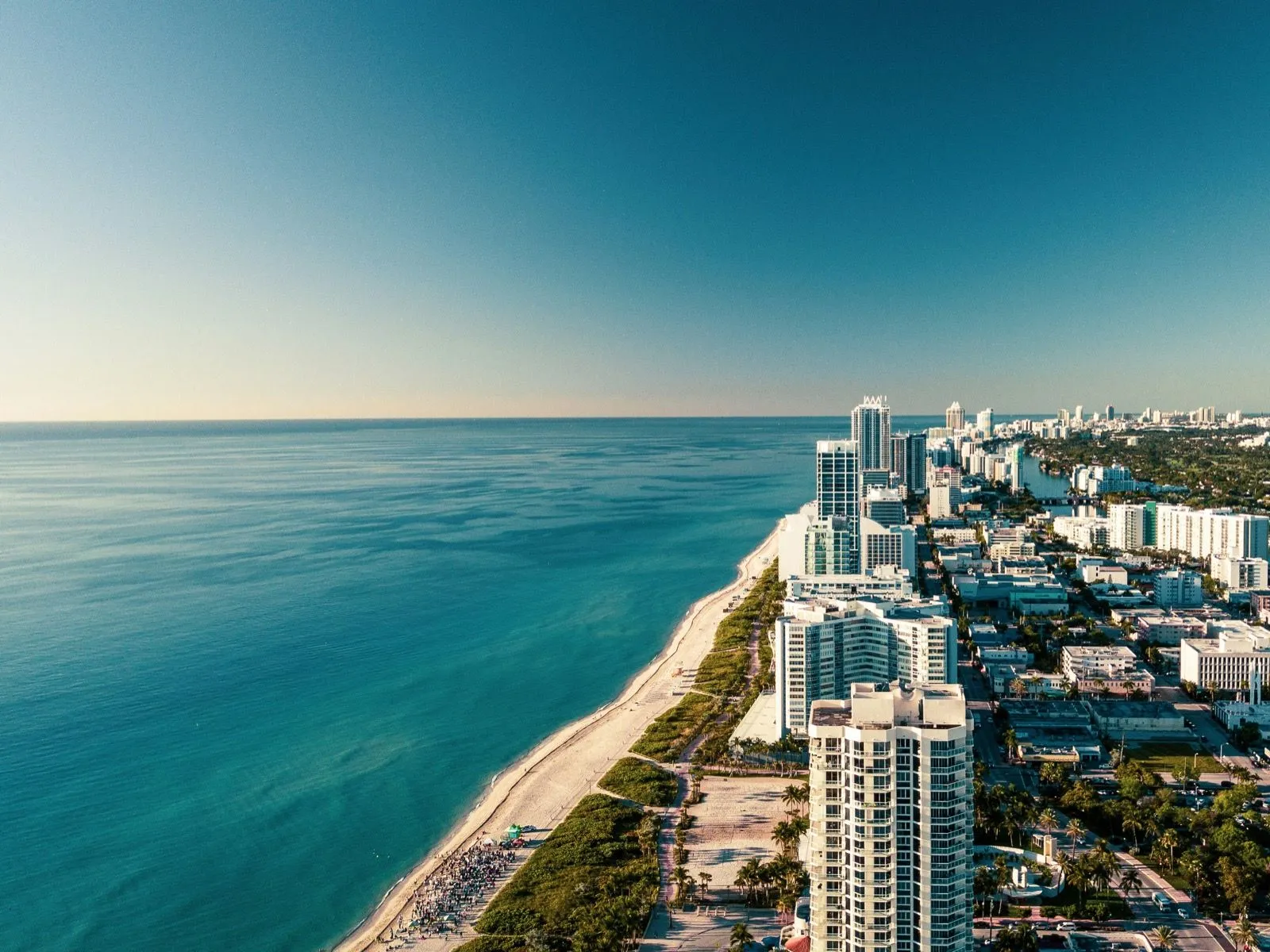
They might as well be on different planets. Seattle is the rain-soaked Pacific Northwest tech hub where flannel never really went out of style, coffee is a religion, and the mountains are always watching. Miami is the subtropical gateway to Latin America where the ocean is turquoise, the nightlife never stops, and Spanish is as common as English. Both are booming, culturally distinct, and fiercely proud of what makes them weird — but the daily experience of living in each city could not be more different.
If you’re weighing a move between the Emerald City and the Magic City, here’s what the numbers and the vibes actually look like.
Cost of Living
This comparison is closer than you might expect, but the details tell an interesting story.
Rent is high in both cities, with Seattle edging ahead. A median one-bedroom in Seattle runs about $2,146 per month, compared to $1,995 in Miami — a modest 7% difference. Scale up to a three-bedroom and the gap holds: $3,272 in Seattle versus $3,127 in Miami. Neither city is affordable by any normal standard, but Miami has a slight edge.
Taxes are where things get dramatic. Florida has no state income tax — zero. Washington State also has no state income tax. So on paper, it’s a wash. But Washington compensates with one of the highest sales tax rates in the country (up to 10.25% in Seattle), while Florida’s sales tax tops out around 7.5%. Property taxes in both states are moderate, though Miami’s insurance costs — particularly flood and hurricane insurance — can add thousands per year that Seattle residents never think about.
The cost of living index puts them neck and neck: Seattle at 113.0 and Miami at 111.8. Both are roughly 12-13% above the national average. Groceries, dining, and services are comparable. Where they diverge is housing type — in Seattle, you’re more likely to rent a smaller apartment or condo; in Miami, you might find more square footage but pay for it in insurance and HOA fees.
Bottom line: These cities are surprisingly similar in overall cost. The real financial difference comes down to specific lifestyle choices — do you spend more on rain gear and heating, or sunscreen and hurricane shutters?
Lifestyle and Culture
Two cities, two completely different frequencies.
Seattle is introspective, intellectual, and outdoorsy. The culture revolves around craft coffee, independent bookstores, hiking trails, and a tech-industry sensibility that values efficiency over flash. The music history is legendary — this is the city that gave the world Jimi Hendrix, Nirvana, Pearl Jam, and Macklemore — and the indie music scene remains one of the best in the country. The Seattle Freeze is real: people are polite but making close friends takes effort. There’s a collective love of nature that borders on devotional, and the proximity to the Cascades, the San Juan Islands, and Olympic National Park shapes the culture in ways that are hard to overstate.
Miami is extroverted, sensory, and relentlessly social. The Latin influence is the city’s defining characteristic — Cuban, Colombian, Venezuelan, Brazilian, Haitian, and Nicaraguan communities have built a culture that’s more connected to Bogota and Havana than to most American cities. The energy is louder, warmer, and more expressive. Art Basel turned the Wynwood and Design districts into global art destinations. The fashion scene is real. And the social life revolves around being outside — on the water, on the beach, at a rooftop, at a club — in ways that Seattle’s climate simply doesn’t allow for most of the year.
Seattle is where you go to think. Miami is where you go to feel. Both are valid.
Food and Dining
Both cities punch well above their weight, fueled by immigrant communities and regional ingredients.
Seattle’s food identity is built on the Pacific Northwest’s extraordinary natural bounty. The seafood is exceptional — wild salmon, Dungeness crab, oysters from the Hood Canal and Willapa Bay — and the farm-to-table movement here isn’t a trend, it’s a way of life. Pike Place Market remains a genuinely great food destination, not just a tourist attraction. The Asian food scene is deep, driven by large Japanese, Vietnamese, Chinese, and Filipino communities. Pho on the International District’s Jackson Street, hand-pulled noodles in the U-District, and sushi that benefits from the city’s proximity to Alaska’s fishing grounds. The coffee culture is world-class and extends well beyond Starbucks — Victrola, Elm, and Slate set the standard.
Miami’s food scene is driven by the Caribbean and Latin America. Cuban coffee and pastelitos from a ventanita (walk-up window) are daily rituals. The ceviche, empanadas, arepas, and Haitian griot form a culinary landscape unlike anywhere else in the U.S. Little Havana’s Calle Ocho remains authentic despite the tourist traffic. The seafood is different from Seattle’s but equally excellent — stone crab, yellowtail, mahi-mahi — and the fine-dining scene in Brickell and the Design District has exploded. Miami also has the advantage of fresh tropical fruit year-round, and the juice and smoothie culture rivals LA’s.
Seattle wins on seafood depth and Asian cuisine. Miami wins on Latin flavors and tropical ingredients. Both are essential American food cities.
Outdoor Activities and Weather
This is the category that usually makes or breaks the decision.
Miami is warm. Very warm. Summers are hot and humid, with highs in the low 90s, frequent afternoon thunderstorms, and a sticky heat that lasts from May through October. Hurricane season (June-November) is a genuine concern — not every year brings a direct hit, but the preparation, the insurance costs, and the occasional evacuation are part of life. But winter in Miami is why people move there: December through April delivers highs in the mid-70s, low humidity, and blue skies that feel almost unfair.
The outdoor lifestyle centers on water. Kayaking through mangroves in Biscayne Bay, paddleboarding at dawn, diving the coral reefs, fishing in the Keys, or just spending a Sunday on South Beach. The Everglades are 45 minutes away. The Florida Keys are a two-hour drive. If your outdoor life revolves around water and warmth, Miami is close to perfect.
Seattle gets 152 rainy days per year, and the gray overcast from November through March is the city’s most infamous feature. But here’s what outsiders miss: Seattle summers (July through September) are among the best in America — highs in the mid-70s, low humidity, 16 hours of daylight, and views of Mount Rainier that make you forget the nine months of drizzle. The outdoor access is staggering: world-class hiking in the Cascades, skiing at Crystal Mountain and Stevens Pass, kayaking on Puget Sound, weekend trips to the San Juan Islands or the Olympic Peninsula.
Miami wins on year-round warmth and water sports. Seattle wins on dramatic landscapes and summer perfection — but demands that you accept the gray. If seasonal depression is a concern, this is a serious factor.
Career and Job Market
Both cities have thriving economies, but they’re powered by completely different engines.
Seattle is one of the premier tech hubs in the world. Amazon and Microsoft are headquartered here. Google, Meta, Apple, and Salesforce all have major offices. The University of Washington is a top-tier research institution that feeds talent into the ecosystem. Beyond tech, Seattle has strength in aerospace (Boeing’s legacy), biotech, and healthcare. Salaries in tech are among the highest in the country, and the absence of state income tax means those paychecks stretch further than equivalent Bay Area salaries.
Miami has built a different kind of boom. The city has become a magnet for finance and crypto companies, with firms relocating from New York and San Francisco to take advantage of Florida’s tax environment and quality of life. International trade and banking have always been central — Miami is the business gateway to Latin America. Healthcare is massive (Baptist Health, Jackson Health System). Tourism and hospitality employ hundreds of thousands. And a growing tech and startup scene, fueled by an influx of remote workers and venture capital, is reshaping the Brickell skyline.
For tech careers, Seattle is the clear winner — the concentration of major employers and the talent pipeline are hard to match. For finance, international business, real estate, and hospitality, Miami offers unique advantages. Both cities benefit from no state income tax, which sweetens any salary.
Nightlife and Entertainment
Completely different animals.
Miami is one of the great nightlife cities in the world, full stop. The club scene — from LIV at the Fontainebleau to Space to the smaller venues in Wynwood — operates at a level of production and energy that most American cities can’t touch. The rooftop bars in Brickell, the live music in Little Havana, the beach clubs on South Beach, the late-night Cuban restaurants that are still packed at 2 AM — Miami’s nightlife is a genuine cultural export. The city doesn’t start going out until 11 PM, and closing time is a suggestion. Art Basel week transforms the entire city into a multi-day party.
Seattle offers a more low-key but genuinely excellent scene. The live music venues — The Crocodile, Neumos, The Showbox — have legendary histories and continue to host great shows. The craft cocktail and brewery scene is exceptional; Seattle arguably pioneered the modern craft beer movement alongside Portland. Capitol Hill is the nightlife hub, with a mix of dive bars, dance clubs, and intimate venues that feel unpretentious and welcoming. But Seattle goes to bed earlier than Miami, the energy is more mellow, and the vibe is flannel-and-IPAs rather than bottle-service-and-bass-drops.
Miami wins nightlife decisively on sheer spectacle. Seattle wins on authenticity, live music heritage, and the kind of neighborhood bar where the bartender knows your name.
Getting Around
Neither city is a transit paradise, but they handle the problem differently.
Seattle has invested heavily in light rail, and the system is expanding rapidly — Link Light Rail now connects the airport to the University of Washington and beyond, with extensions to Bellevue, Lynnwood, and Federal Way underway. Buses are reliable and widely used. Many neighborhoods (Capitol Hill, Fremont, Ballard, the University District) are genuinely walkable. Bike infrastructure is improving. You can live in Seattle without a car more easily than in most American cities outside the Northeast — it’s not New York, but it’s workable.
Miami is more car-dependent. The Metrorail covers a limited north-south corridor, and the Metromover is useful only in Downtown and Brickell. Buses exist but are slow and underused. The sprawl of Miami-Dade County makes car ownership essentially mandatory for daily life. Traffic on I-95 and the Palmetto Expressway is punishing during rush hour. On the positive side, rideshare is widely available, and certain areas (Brickell, South Beach, Wynwood) are increasingly walkable and bikeable.
Seattle wins on public transit and walkability. Miami requires a car for most residents.
The Verdict: Which City Is Right for You?
These cities don’t compete so much as they represent parallel universes — same country, same era, completely different worlds.
Choose Seattle if you:
- Work in tech, biotech, or aerospace
- Love the outdoors and don’t mind (or secretly enjoy) rain
- Prefer a quieter, more intellectual social culture
- Value walkability and public transit options
- Want access to mountains, forests, and the Pacific Northwest’s natural beauty
Choose Miami if you:
- Work in finance, international business, or hospitality
- Crave warmth, water, and a year-round outdoor social life
- Thrive in a high-energy, extroverted, Latin-influenced culture
- Love world-class nightlife and don’t mind the humidity
- Want to be connected to Latin America and the Caribbean
The cost-of-living comparison is nearly a draw, with both cities running about 12-13% above the national average and neither charging state income tax. The real choice isn’t financial — it’s temperamental. Seattle asks: do you want mountains, coffee, and quiet intensity? Miami asks: do you want beaches, salsa, and electric nights? Only you know which question makes your pulse quicken.
Ready to compare the numbers? Use our salary comparison tool to see exactly how your take-home pay stacks up between Seattle and Miami, factoring in taxes, rent, and cost of living.
Families and Schools
For families weighing the two cities, both Seattle and Miami offer strong educational options — but they require different levels of homework to navigate.
In Seattle, the public school system has a handful of highly regarded selective and magnet programs, and the city’s educated, highly credentialed workforce tends to be deeply invested in local schools. The broader King County area is home to Bellevue School District, just across Lake Washington, which consistently ranks among the top public school districts in the nation and is a major draw for tech-worker families who want public school quality without private tuition. Districts like Mercer Island and Shoreline also perform well above the national average. The private school market (Lakeside, The Bush School, Seattle Prep) is strong but not as price-stratified as in coastal cities like New York or San Francisco.
In Miami, Miami-Dade County Public Schools is the fourth-largest school district in the United States, serving over 330,000 students across a deeply diverse county. Quality varies enormously by school and neighborhood — top-performing magnet schools like Design and Architecture Senior High (DASH) and iPrep Academy are genuinely excellent, but zoned schools in lower-income areas lag significantly. Families who can afford it often turn to Miami’s robust private school market, particularly in Coral Gables, Coconut Grove, and Pinecrest, where institutions like Ransom Everglades and Gulliver Preparatory offer rigorous college-prep environments.
For families, both cities reward strategic decision-making about neighborhoods. Neither is a plug-and-play situation, but both cities have excellent options for those willing to research before they sign a lease.
Housing Market: Renting vs. Buying
If you’re thinking beyond renting, the ownership math in both cities has become genuinely complicated.
Seattle’s median home price in King County sits around $850,000 as of early 2026, softened from the frenzied 2022 peak of approximately $975,000. The tech-driven demand that fueled the run-up hasn’t disappeared — Amazon’s continued expansion in South Lake Union and Microsoft’s campus in Redmond keep pressure on the eastside. Bellevue and Kirkland, where many Amazon and Microsoft employees cluster, have median prices well above Seattle proper. Inventory remains tight. Interest rates at current levels make the monthly payment on a median Seattle home eye-watering, which is pushing many would-be buyers into longer rental periods or toward condos and townhomes as a first step.
Miami’s median home price is around $640,000, but that number hides enormous variation. Single-family homes in suburban Doral or Kendall may be attainable for dual-income households; condos in Brickell or South Beach can easily exceed $1,000,000, and the ultra-luxury market in Miami Beach and Fisher Island operates in a different financial universe entirely. What the purchase price doesn’t capture is the full cost of Miami ownership: HOA fees in many condo buildings run $1,000 to $3,000 per month, and homeowners insurance — factoring in flood and hurricane coverage that is either required or deeply prudent — adds another $5,000 to $15,000 per year for many properties. The COVID-era influx of finance professionals, crypto investors, and remote workers drove Miami prices up sharply from 2020 to 2023, and while some softening has occurred, the city is structurally more expensive to own in than the headline price suggests.
In both cities, renting is often the financially rational choice in the short and medium term. The buy vs. rent calculus shifts significantly based on time horizon and neighborhood.
Ready to compare the numbers yourself?
Try the Comparison Tool